
What does it take to move a family from crisis-driven care to something they can actually sustain?
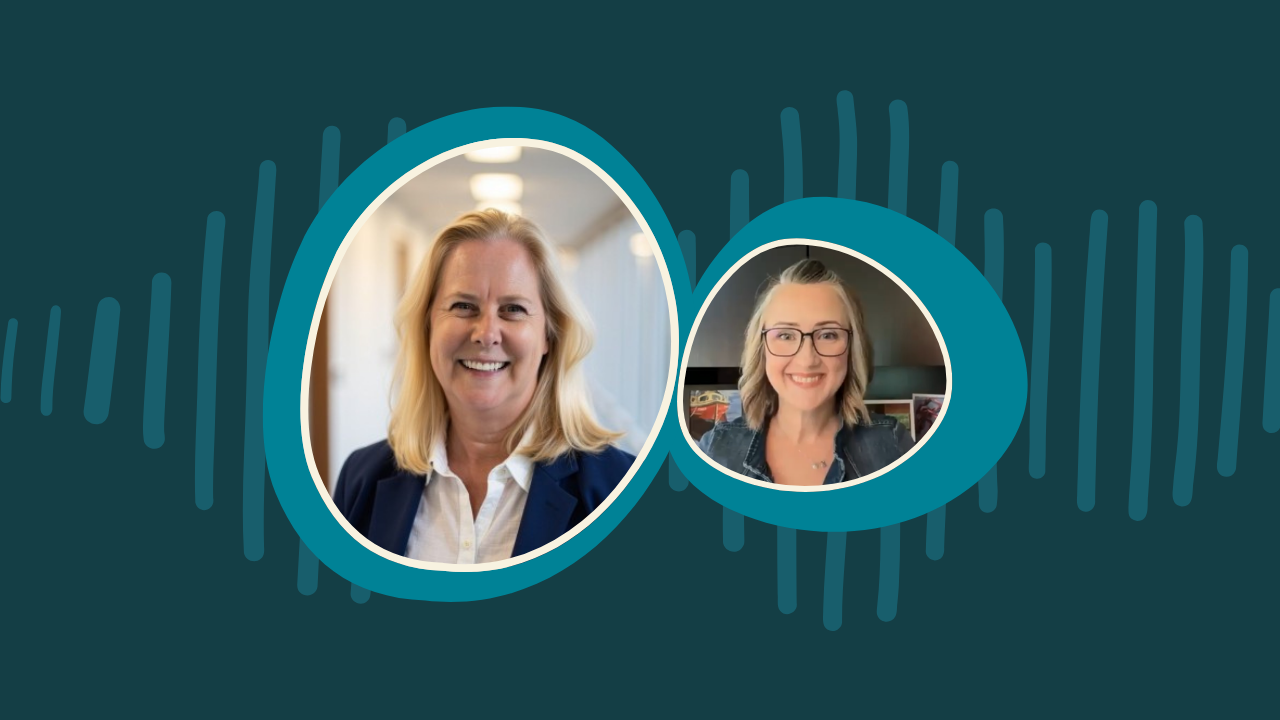
In this episode of Designing for Dignity, Erin Young speaks with Holly Larson, creator of Family Care Horizons, a care planning framework for families navigating complex care. Holly came to this work through her own nine-year caregiving journey.
Holly shares how a trip to Italy catapulted her family into complex care at full speed. The conversation covers the hidden architecture of caregiving, how care load can be measured and redistributed, and the care archetypes framework she developed to help families name their roles.
Holly emphasizes that caregiving is a system, not a series of tasks, and that treating it that way changes how families communicate and decide over time. She also offers practical guidance for innovators on designing for shifting identities, multiple stakeholders, and the long arc of complex care.
What you’ll learn
How Holly's caregiving experience revealed the hidden architecture behind family care systems
Why most families enter care reactively and what proactive planning actually changes
How the care load framework helps families measure and redistribute caregiving responsibilities
What the care archetypes reveal about roles families play and where strain quietly builds
Why caregivers who are most stressed are also the least likely to adopt new solutions
Key themes
Family Caregiving • Care Planning • AgeTech • Decision Architecture • Caregiver Burden • Equity • Dementia • Aging in Place • Care Systems • Designing for Dignity
About the Designing for Dignity podcast
Designing for Dignity is a podcast from Slide UX that explores how thoughtful design can enhance autonomy, connection, and quality of life for people navigating aging or brain change. Each conversation spotlights innovators, caregivers, researchers, and individuals with lived experience, offering insights that bridge technology, empathy, and impact.