
What does it look like to turn a scattered, solo caregiving struggle into structure any family can trust?
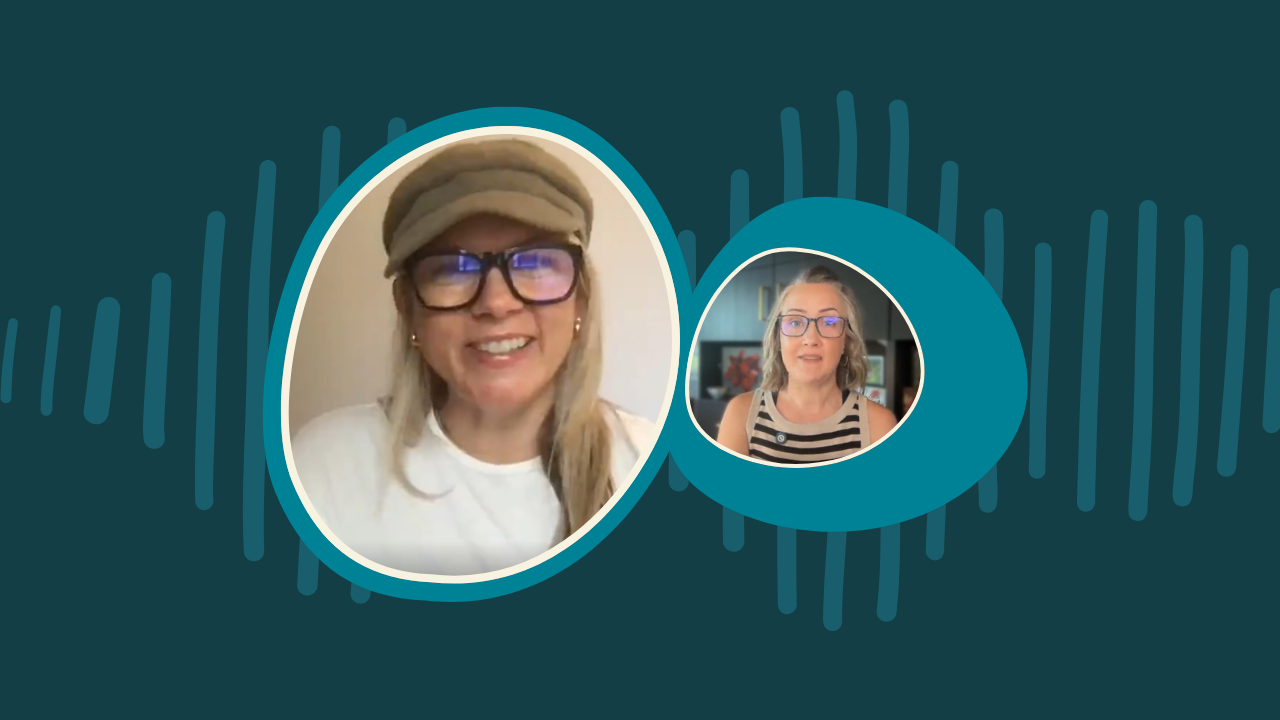
In this episode of Designing for Dignity, Erin Young speaks with Kirstin Thomas, co-founder and president of Kindred Mind. This AI voice companion answers a loved one's dementia calls in the caregiver's own voice, so families no longer have to choose between answering and living their lives.
Kirstin shares how her mother's dementia led to repetitive calls until one interrupted her daughter's recital. The conversation covers the ethics of AI answering as a loved one and why she built guardrails instead of a general assistant.
She stresses that families can only trust an AI companion if its promises are absolute, since even one broken guardrail can cause real harm. She also shares advice for founders building for vulnerable users and what's ahead for Kindred Mind.
What you’ll learn
How caring for her mother's years of dementia led Kirstin to finally build Kindred Mind
Why constant, anxious phone calls were costing her family both sleep and connection
How building strict guardrails one rule at a time turned personal guilt into something whole families could trust
Why "it won't lie to my mom" isn't a nice-to-have, and what that means for the product's design
What shifted when she realized warmth alone wasn't enough, and the promises had to be absolute
Key themes
Family Caregiving • Dementia Care • AI Voice Companion • Caregiver Burnout • Validation Therapy • Guardrails & Trust • Elder Care • AgeTech • Simulated Presence Therapy • Designing for Dignity
About the Designing for Dignity podcast
Designing for Dignity is a podcast from Slide UX that explores how thoughtful design can enhance autonomy, connection, and quality of life for people navigating aging or brain change. Each conversation spotlights innovators, caregivers, researchers, and individuals with lived experience, offering insights that bridge technology, empathy, and impact.