
What if your voice could reveal what is happening in your brain years before any symptoms appear?
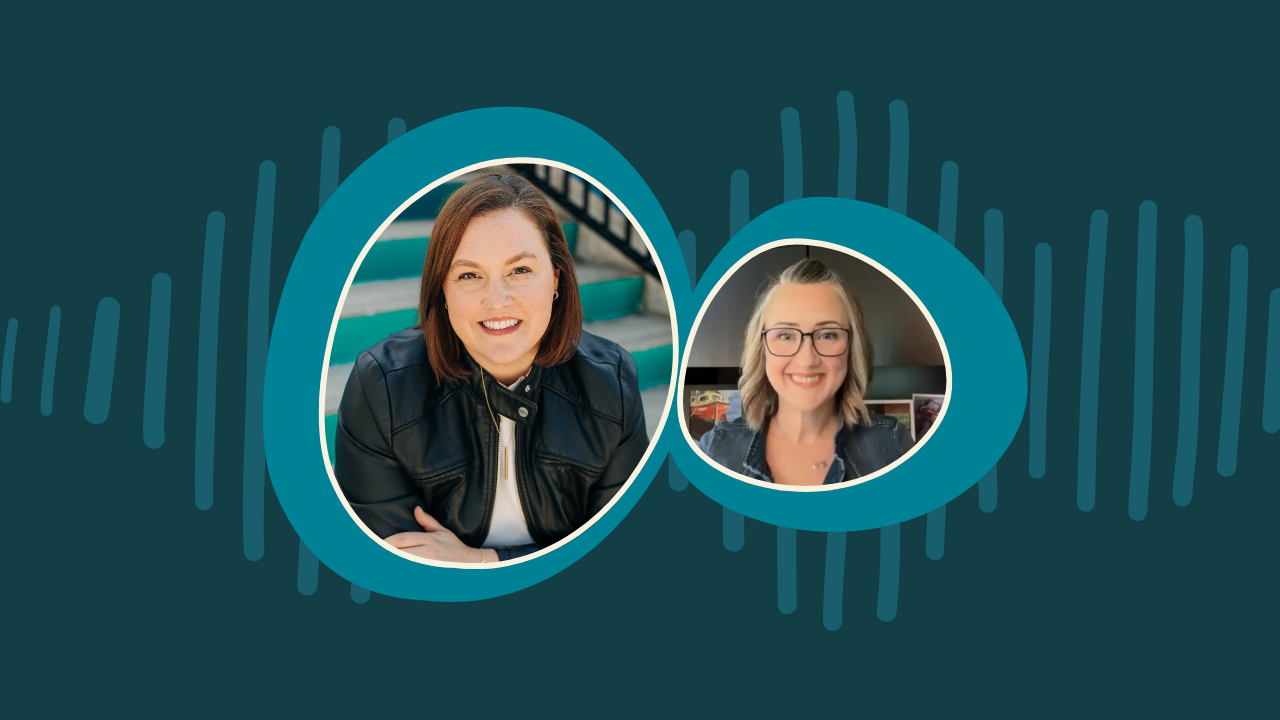
In this episode of Designing for Dignity, host Erin Young sits down with Kara Uchtman, Clinical Research Officer at Vibes AI, to explore how voice biomarker technology and restorative sound are reshaping early cognitive health detection and care.
Kara shares her journey from chemical engineering to the cutting edge of brain change innovation and how Vibes AI is building a low-friction, personalized system that listens to your voice, reads your brain readiness, and responds with sound your nervous system can absorb passively.
The conversation covers the triple brain epidemic, the broken state of early detection, the ethics of longitudinal voice data, and what it really means to design for dignity in cognitive health.
What you’ll learn
How Vibes AI uses two minutes of your voice to detect patterns that reflect how stressed or restored your brain actually is
Why sound supports the brain without requiring motivation, focus, or behavior change, making it powerful for people who are already depleted
What the triple brain epidemic is and why mental health, age-related cognitive decline, and digital dementia are the same pattern showing up in different ways
How designing for scarcity of time and capacity is more realistic and more effective than designing for ideal user behavior
Why early cognitive health detection fails most people and how voice biomarkers can shift intervention decades earlier
What thoughtful consent looks like when you are collecting sensitive longitudinal cognitive health data
Why getting out of your bubble and talking to real users early is the single most important thing any AgeTech team can do
Key themes
Voice Biomarkers • Brain change• Low-Friction Design • Sound Therapy • Cognitive Decline • Early Detection • Neuroplasticity • AgeTech • Dignity • User Research • Personalization • Ethics • Women in Health Tech • Designing for Dignity
About the Designing for Dignity podcast
Designing for Dignity is a podcast from Slide UX that explores how thoughtful design can enhance autonomy, connection, and quality of life for people navigating aging or brain change. Each conversation spotlights innovators, caregivers, researchers, and individuals with lived experience, offering insights that bridge technology, empathy, and impact.